
Elementor Form Conversion Tracking for Real Source Accuracy
Elementor can convert well and still produce weak attribution if hidden-field flow is not engineered.

If this sounds familiar
- Inline forms and popup forms do not capture source data the same way.
- Request Parameter dynamic tags are set, but key names do not match live URLs.
- Form submissions succeed while webhooks omit source fields.
- Cache/minify plugins make attribution bugs appear random.
- Teams optimize conversion rate while flying blind on channel quality.
These are fixable implementation issues, not random analytics noise.
Elementor implementation details most pages skip
Popup vs inline: test them separately
Elementor often re-renders popup form state. A setup that works inline can fail in popup context.
Parameter-key discipline
Your dynamic tag key must exactly match runtime URL keys (utm_source is not UTM_Source).
Payload-first debugging
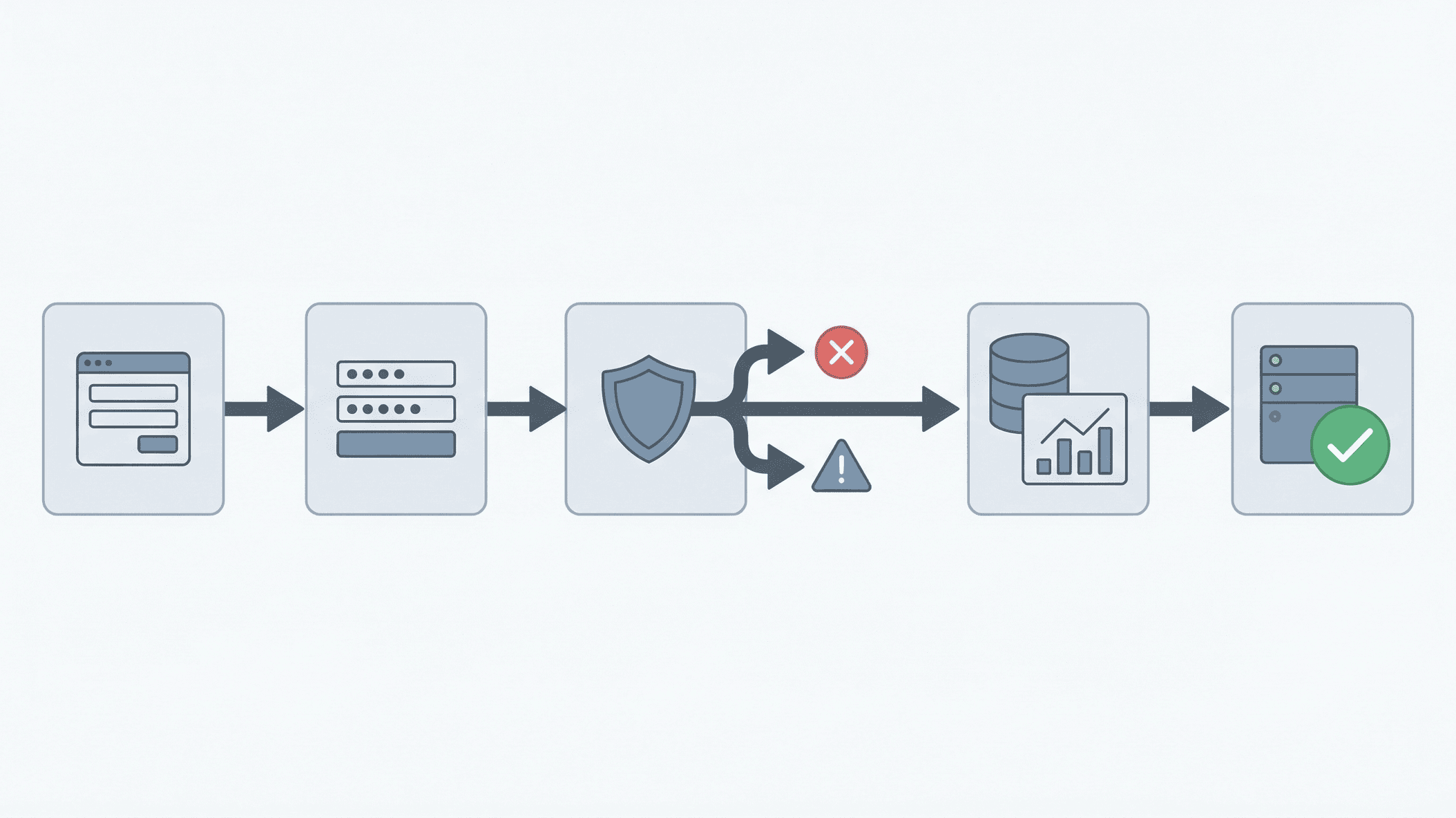
Before touching analytics dashboards, inspect the submit payload:
- Is
sourcepresent at render time? - Is
sourcepresent at submit time? - Is
sourcepresent in webhook body?
If it disappears between stages, fix that stage first.
A practical test matrix
- Inline form + tagged URL
- Popup form + tagged URL
- Inline form + untagged URL (fallback behavior)
- Popup form + untagged URL
Related reading:
- Elementor Hidden Field UTM Tracking - UTM Grabber
- UTM Naming Conventions Best Practices - UTM Grabber
- Last-Click Attribution Problems - UTM Grabber
What this costs when left unresolved
- Paid traffic quality decisions rely on partial source data.
- Campaign-level CPA looks volatile because lead-source mapping is unstable.
- Manual reconciliation time keeps growing each month.
When form context changes, attribution breaks silently and conversion reports become misleading.
What good looks like in practice
- Inline and popup variants produce identical attribution fields.
- Webhook and CRM mappings stay in lockstep with field schema.
- Team can trust source-level conversion quality analysis.
When source data is stable, optimization speed improves immediately.
Why this stays broken for many teams
This is exactly why we built UTM Grabber
UTM Grabber standardizes Elementor source capture and preserves mapping across submit, webhook, and CRM stages.
- One schema for all Elementor forms.
- Write-once first-touch rules supported out of the box.
- QA workflow built around payload inspection, not guesswork.
Who this implementation is for
- Marketing ops on WordPress + Elementor stacks.
- Growth teams testing multiple landing page variants.
- Agencies managing popup-heavy funnels.
If attribution quality affects how you allocate budget, this is the right workflow.
What real users are saying
/#schedule-demo No custom app needed to start.