
Your UTM Data Is a Mess - And You Probably Cannot See It
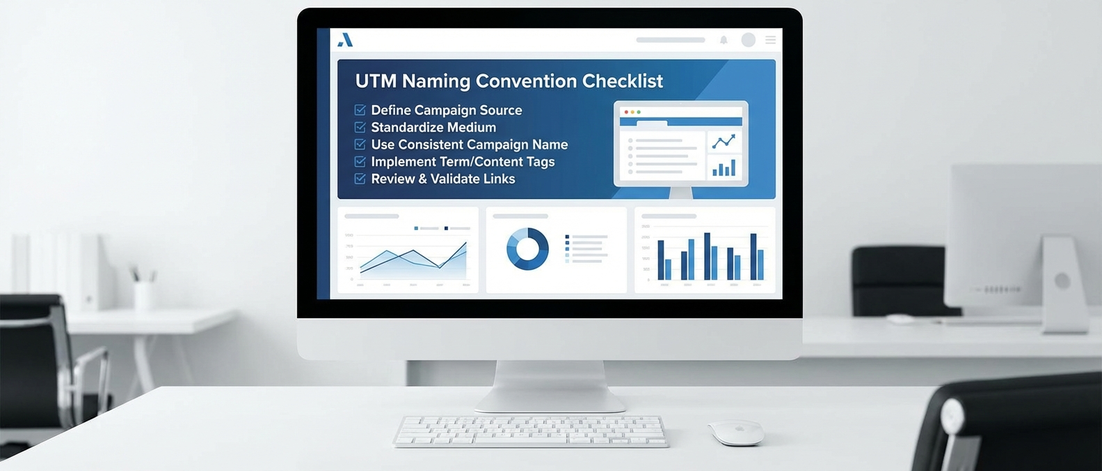
Inconsistent naming does not just look ugly in reports. It silently destroys your ability to know what is actually working. One team is spring_campaign, another is Spring2024-Q1 - and GA4 treats them like completely different things.
If this sounds familiar, you are not alone
- Your agency uses one naming style, your internal team uses another - and nobody can agree on which is right
- You scroll through 47 variations of Q1_Promo trying to figure out which one actually drove conversions
- Marketing asks for the campaign that worked and you cannot answer because the data is fragmented across platforms
- You dread monthly reports because cleaning up UTM names takes longer than the analysis itself
Bad UTM names do not just confuse reports - they hide winners and protect losers.
Why UTM naming conventions fail - even for smart teams
1. Naming is treated as documentation, not architecture
Most teams write a UTM guide once, file it in a Google Doc nobody reads, and hope everyone follows along. But naming conventions are not documentation problems - they are system design problems. Without enforcement, humans always default to what is fastest in the moment.
2. Complexity invites inconsistency
When you require 8 parameters with specific formats, case sensitivity rules, and forbidden characters, you have created a system that rewards shortcuts. The person creating a link at 4:47 PM on Friday is not thinking about your documentation - they are thinking about getting the campaign live.
3. Different tools amplify small differences
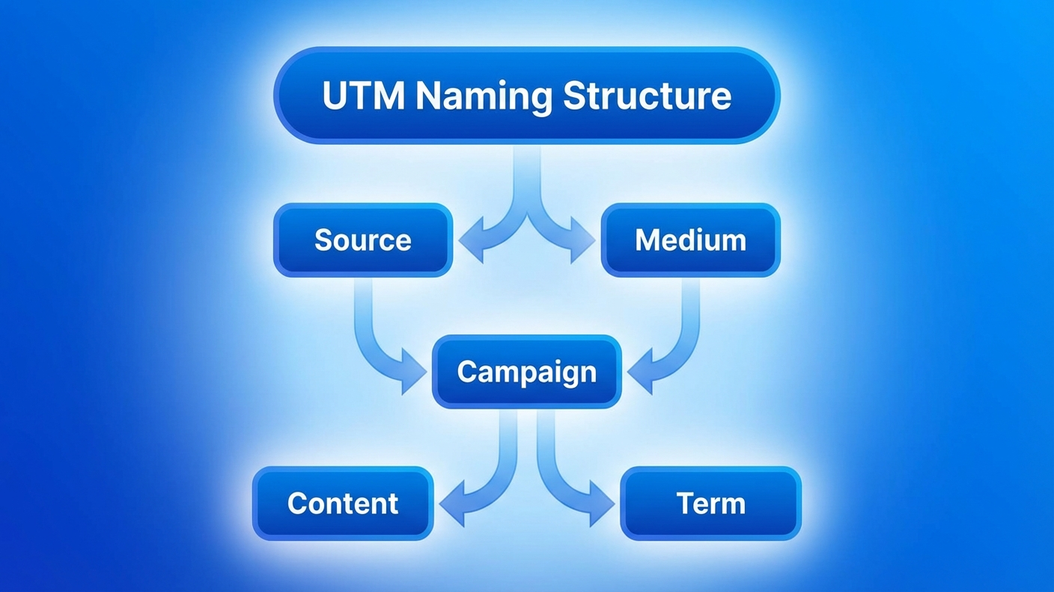
GA4 treats Spring_Campaign and spring-campaign as completely different sources. Facebook sees FB while Google sees Facebook. Your CRM normalizes everything differently than your ad platform. Small naming variations compound across systems until your data is unrecognizable.
The real cost is not messy reports - it is bad decisions
- You kill a campaign that was actually working because the data showed it underperforming due to naming fragmentation
- You scale a winner that was actually five different campaigns lumped together under one vanity name
- Your agency bill goes up because they have to spend hours manually cleaning data before every report
- Your team loses confidence in marketing analytics entirely and starts making decisions based on gut feeling
When you cannot trust your attribution, you stop trusting your data. And then you start guessing.
What consistent UTM naming actually means
- Every team member creates links the same way without thinking about it
- Your reports assemble themselves because everything is already categorized correctly
- You can filter by source, medium, or campaign in one click and get clean, meaningful results
- New hires learn the system in 5 minutes because the tool enforces the convention automatically
Good naming is invisible - it just works, and everyone forgets it is even there.
Why more training, templates, and reminders do not work
This is exactly why we built UTM Grabber
UTM Grabber enforces consistent naming automatically - so every link follows your rules without anyone having to remember them.
- Pre-built naming templates that work out of the box
- Auto-formatting that corrects variations before they hit your tracking
- Team-wide consistency without training or reminders
- Works with whatever convention you already use - or helps you design one
UTM Grabber is built for teams who want clean data without the overhead
- Marketing teams with multiple content creators all creating UTM links
- Agencies managing tracking across dozens of client accounts
- Growing companies where standardization was not a priority until now
- Anyone tired of manual data cleanup before every analysis
If you want reports that actually mean something, this is for you.